What Will You Get In This Guide:
We’ve all faced that moment of panic: twenty minutes before guests arrive, you find last month’s burgers staring back at you. Ignoring this buildup creates dangerous flare-ups where accumulated grease catches fire. While some claim this black crust adds flavor, it’s actually just rancid oil.
Think of your grates like an unwashed lasagna pan. That stubborn residue isn’t beneficial seasoning; it is carbonization—food debris burnt into hard carbon. A dedicated bbq cleaner helps remove these layers before they flake off onto your dinner.
Effective maintenance often uses pyrolysis, a process where high heat turns organic matter into ash. To verify readiness, experts recommend the “Paper Towel Test”: wipe the cool bars with a damp sheet. If it comes back black, the grill isn’t clean.
The Safe Way to Scrub: Choosing the Best Grill Brush and Scraper
Most of us have a standard barbecue grill brush hanging on the side of the BBQ, but safety is just as important as scrubbing speed. While a traditional metal bbq brush is effective, it poses a hidden risk: loose bristles can eventually snap off and end up in your burger. If you prefer the stiffness of wire, always check for wear before scrubbing; if the bristles look bent or pull out easily with pliers, it is time to throw it away.
For total peace of mind, consider switching to a bristle free bbq brush. These tools usually rely on coiled stainless steel mesh that cleans without shedding dangerous spikes, though they might require a little more elbow grease. Alternatively, wooden paddle scrapers are gaining popularity because the heat from the hot grates burns custom grooves into the wood, essentially molding the tool to your specific grill pattern for a perfect fit.
Choosing the best grill brush or tool ultimately depends on what you are trying to remove:
- Standard Wire: High speed, but requires constant safety monitoring.
- Bristle-Free Coil: High safety, requires moderate scrubbing pressure.
- Pumice Stone: Deep polishing for restoration, though it leaves dust behind.
- Grill Scraper: Best for knocking off heavy, baked-on chunks before brushing.
While mechanical scrubbing handles the heavy debris, liquid solutions are necessary to handle the invisible, sticky grease.
Degreasers vs. DIY BBQ Cleaner: What Actually Cuts Through Burnt-on Grease?
Scrubbing gets the big chunks, but removing that sticky, invisible film requires a chemical reaction. Many backyard chefs wonder, can you use oven cleaner on a barbecue? While technically effective, these harsh caustic sprays can damage aluminum components and leave dangerous residue that requires aggressive rinsing. Specialized bbq cleaners are generally safer, often relying on citrus-based solvents, but they aren’t instant; you must let them soak for at least 15 minutes to chemically unglue the grease from the metal before wiping.
For those who want to avoid fumes entirely, your pantry likely holds a powerful, eco friendly grill cleaning solution. Baking soda acts as a mild abrasive that neutralizes acidic grease without scratching stainless steel. To create a thick, non toxic barbecue degreasing spray alternative that clings to the grate bars, mix:
- 1/2 cup baking soda (the scrubbing agent)
- 1 tablespoon dish soap (the grease cutter)
- 1-2 tablespoons water (add slowly until a thick paste forms)
Coat your grates with this mixture and let it sit for 30 minutes, giving the ingredients time to soften the baked-on carbon. A quick wipe with a damp cloth should reveal shiny metal, but be careful with water if you aren’t using stainless steel.
How to Clean Cast Iron Grill Grates Without Causing Rust
Unlike stainless steel, cast iron requires a protective layer of oil to stay effective. If you scrub these porous grates with harsh soaps or leave them wet, you strip away the “seasoning” that prevents food from sticking. The golden rule for how to clean cast iron grill grates is the “heat and scrape” method followed immediately by oiling: simply wipe a high-heat oil like canola onto the warm metal to seal the surface against moisture.
Neglect happens, but seeing orange flakes doesn’t mean your equipment is ruined. Restoring a rusty barbecue smoker or grate is often as simple as scrubbing the affected areas with kosher salt and a cut potato. The salt acts as gentle sandpaper, scouring away surface oxidation without damaging the solid iron underneath. After removing the rust, dry the metal completely with heat and re-apply oil immediately to rebuild your non-stick base.
Moisture control is the secret to preventing rust on charcoal grill setups, as leftover ash attracts humidity that eats away at the metal. Always empty the ash catcher after the coals cool. With your grates seasoned and supplies ready, a fast routine gets the job done before guests arrive.
The 15-Minute Deep Clean: A Step-by-Step System for Gas and Charcoal
Efficiency starts with heat. To effectively deep clean gas grill grates, turn all burners to high for ten minutes before you do anything else. This process carbonizes stuck-on food, turning sticky barbecue sauce into brittle ash that brushes off easily compared to the heavy elbow grease required for cold scrubbing.
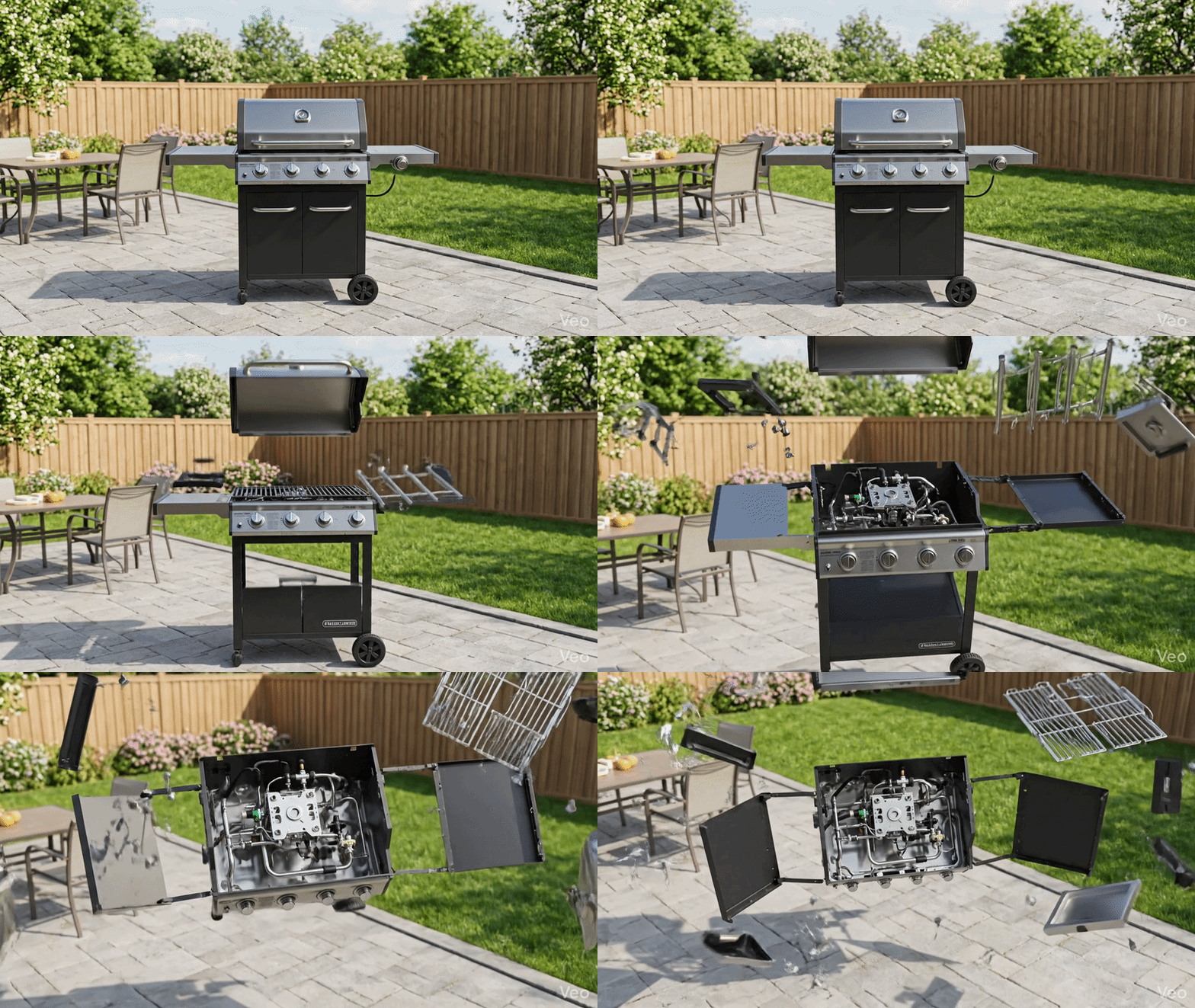
Once the unit cools slightly to a safe temperature, follow this simple teardown sequence for removing burnt on grease from barbecue surfaces:
- Dry Scrape: Use a putty knife or coil brush to push heavy debris down into the firebox.
- Wash Removables: Soak flavorizer bars and heat deflectors in warm soapy water to break down oils.
- Unclog Ports: Poke blocked burner holes with a paper clip to restore gas flow.
- Wipe Down: Finish surfaces with a damp cloth to catch fine soot.
Uneven heating often points to the tubes underneath your cooking surface rather than the grates themselves. Spiders and insects love nesting in these dark spaces, disrupting the fuel mixture. Clearing clogged gas burner tubes with a flexible bottle brush or a straightened paperclip solves most “hot spot” issues instantly, ensuring your next steak cooks evenly from edge to edge.
Fire safety relies on the bottom drawer. Cleaning a grease drip tray is critical because accumulated fat is the primary cause of dangerous, uncontrollable flare-ups. Scrape the tray until the metal feels smooth rather than tacky; if your finger sticks to the surface, flammable residue remains. With the immediate grime gone, you are ready to look at the long-term protection plan.
Your Seasonal Maintenance Checklist for a Lifetime of Better BBQ
You no longer have to dread lifting the lid to find a greasy mess. Now that you can distinguish between “good seasoning” and hazardous buildup, keeping your grill ready for action is straightforward. Instead of battling baked-on carbon once a year, you now have the know-how to maintain a surface that cooks better and lasts longer.
Build a sustainable routine by following this simple seasonal grill maintenance checklist:
- Every Cook: Perform a quick pre-heat scrape using a safe bbq cleaning brush (coil or wood, not wire).
- Mid-Season: Use your bbq cleaning kit for a deep soak to remove stubborn carbon.
- Winter: Scrub the heat deflectors and burners for proper storage prep.
For the ultimate time-saver, rub high-heat oil on clean grates before firing up the burners next time. This creates a barrier that makes post-cook cleaning 50% faster. Enjoy the season—your food will taste better, and your neighbors will notice the difference.