Complete Cleaning Guide Includes:
There is nothing more frustrating than spending $30 on a prime ribeye only to have half of it stick to the metal when you try to flip it. While many mistake that black buildup for “seasoning,” culinary experts define this as carbonization—simply a layer of burnt-on food. Instead of adding a rich, smoky taste, this charred residue creates bitter fumes that actively spoil your meal.
Learning how to clean bbq grill grates correctly turns a hygiene chore into a culinary upgrade; accumulated grease is a primary cause of dangerous backyard flare-ups. Learning how do you clean bbq grill grates correctly turns a hygiene chore into a culinary upgrade. Whether you are figuring out how to clean a grill rack for perfect sear marks or fire prevention, a smooth surface is essential.
The 15-Minute High-Heat Method: How to Vaporize Grease Before It Becomes Carbon
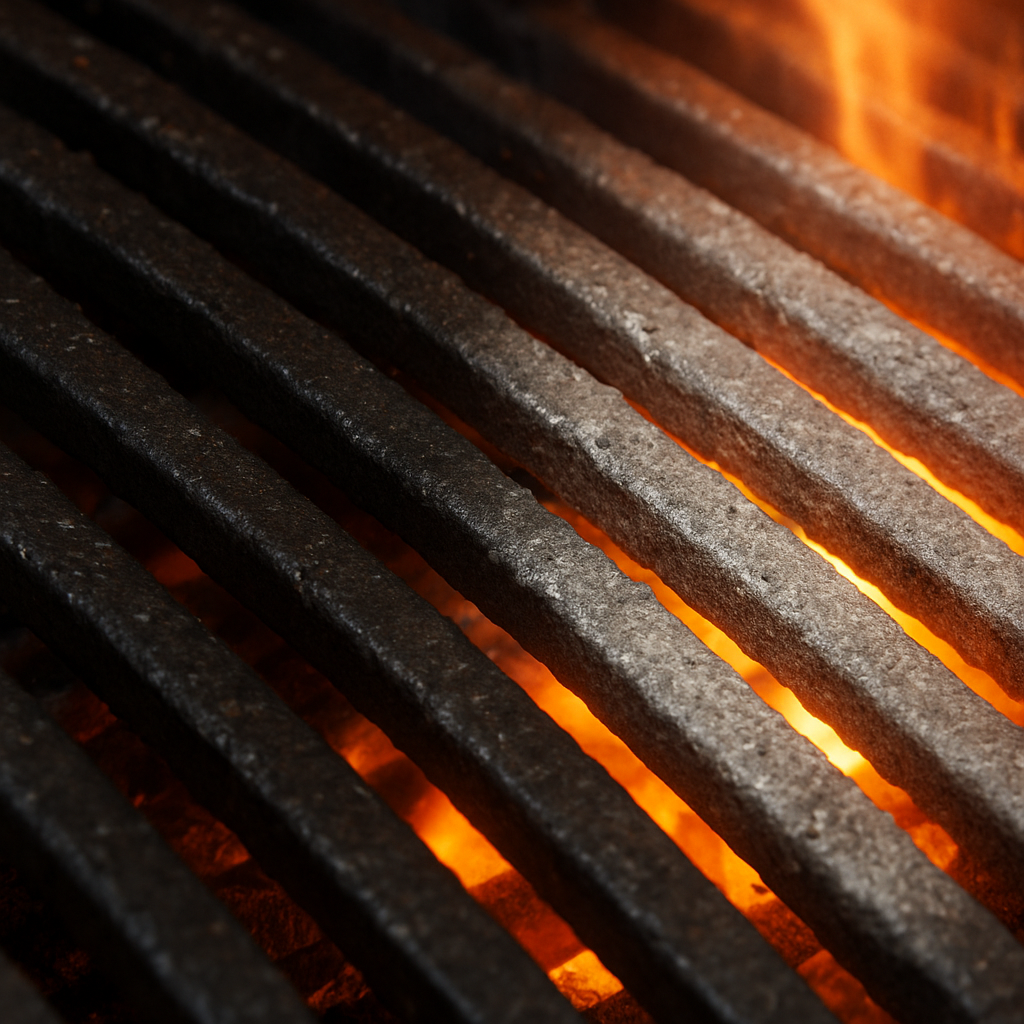
Scrubbing cold, hardened sauce is frustrating and inefficient. Instead of wasting elbow grease, let your grill do the heavy lifting by using the high heat burn-off method. When the internal temperature climbs high enough, stubborn residues hit their vaporization point, drying out and transforming into a brittle state that flakes off effortlessly. It is essentially the same principle as a self-cleaning oven, using pure heat to turn mess into manageable dust.
For the best way to clean grill grates during regular maintenance, follow this simple sequence:
- Scrape off large food chunks to prevent dangerous flare-ups.
- Turn burners to high, close the lid, and wait 15 minutes.
- Watch for the smoke to stop; this signals the grease has successfully turned to ash.
- Turn off the gas and brush the white-grey residue away immediately while the metal is hot.
Visual cues are your best friend here. You will see that the black, sticky gunk has become a harmless grey powder that falls away with a few passes of your brush or a crumpled ball of aluminum foil. While this is how to clean grill grates for weekly cooking, years of neglect might require a soaking strategy.
Mastering this thermal transition is the secret to how to clean bbq grill grates without spending hours scrubbing by hand.
Reviving Gunked-Up Grates Overnight: The Vinegar and Baking Soda Deep Clean
While burning off residue handles weekly maintenance, sometimes years of carbon buildup require a chemical approach rather than a thermal one. Think of this method as the “soaking cycle” for your BBQ. The acidity in the vinegar acts as a solvent, slowly attacking the grease structure and softening the hard crust so it slides off rather than requiring heavy chiseling.
If you are concerned about harsh chemicals near your food, this natural soak is the safest way to approach how to clean bbq grill grates after a long season of heavy use.
To use this homemade bbq grill cleaner strategy effectively, create an environment where the liquid stays in contact with the metal for several hours:
- Mix 2 cups of white vinegar with 1 cup of baking soda in a heavy-duty garbage bag.
- Place the cooled grates inside and tie the bag tight to prevent leaks.
- Let the grates sit flat on the ground in a garage or shaded area overnight (at least 12 hours).
Choosing non-toxic bbq cleaning solutions offers peace of mind because, unlike harsh commercial degreasers, any residue left behind is completely food-safe. By the next morning, how to clean grill grates overnight transforms into a simple rinse job; spray them with a garden hose, and the black gunk should peel away like wet paper. However, before you scrub the remaining spots, you must identify your metal type to avoid scratching the finish.
Stainless Steel vs. Cast Iron: Tailoring Your Scrub to Protect Your Investment
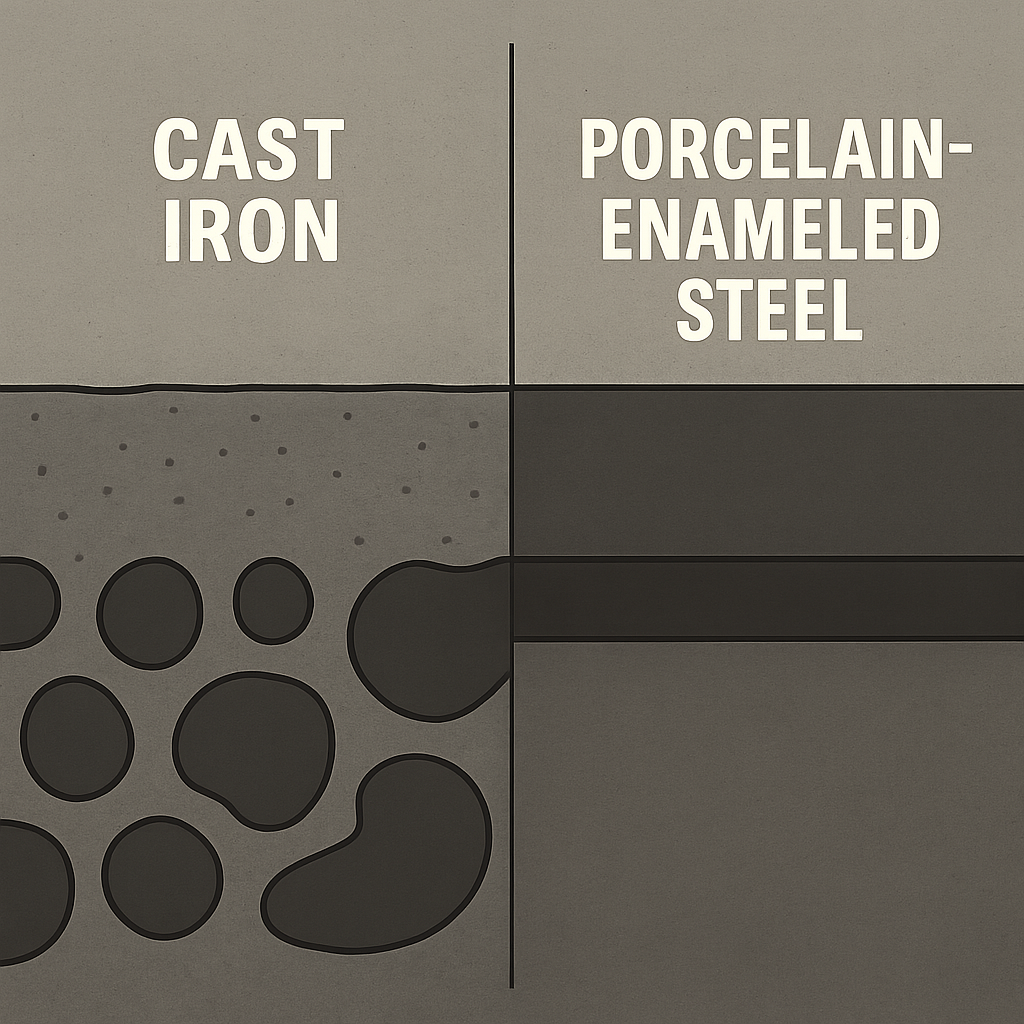
Treating all grill grates the same is the fastest way to ruin your barbecue. Just as you wouldn’t use steel wool on a non-stick frying pan, you must adjust your approach for how to clean stainless barbecue surfaces versus coated ones. Cleaning stainless steel bbq grill grates requires a polishing touch; aggressive scratching creates microscopic grooves where food eventually sticks. If the surface looks glossy like a coffee mug, however, you have porcelain enamel. This glass-like layer acts as a shield, meaning heavy-duty metal scrapers can chip the finish and expose the raw metal beneath to corrosion.
Cleaning cast iron grill grates demands a different mindset because this material acts like a hard sponge, relying on absorbed oils to prevent sticking. While incredibly tough, cast iron has one major weakness: standing water. Leaving these grates to air-dry allows oxygen to bond with damp iron, creating orange rust spots within hours. To stop this oxidation, you must dry them immediately with heat or a towel and apply a thin coat of vegetable oil to seal the surface against moisture.
Precision is vital when maintaining porcelain coating on grill grates, as cracks in that outer shell are permanent. Inspect your grates for deep scratches or chips, which indicate the protective barrier is compromised and the metal inside is vulnerable. Because standard wire brushes can be too harsh for this delicate finish or leave dangerous bristles behind, many homeowners are turning to softer, improvised tools found in the pantry.
Beyond the Wire Brush: Using Foil and Onions for a Safer Surface
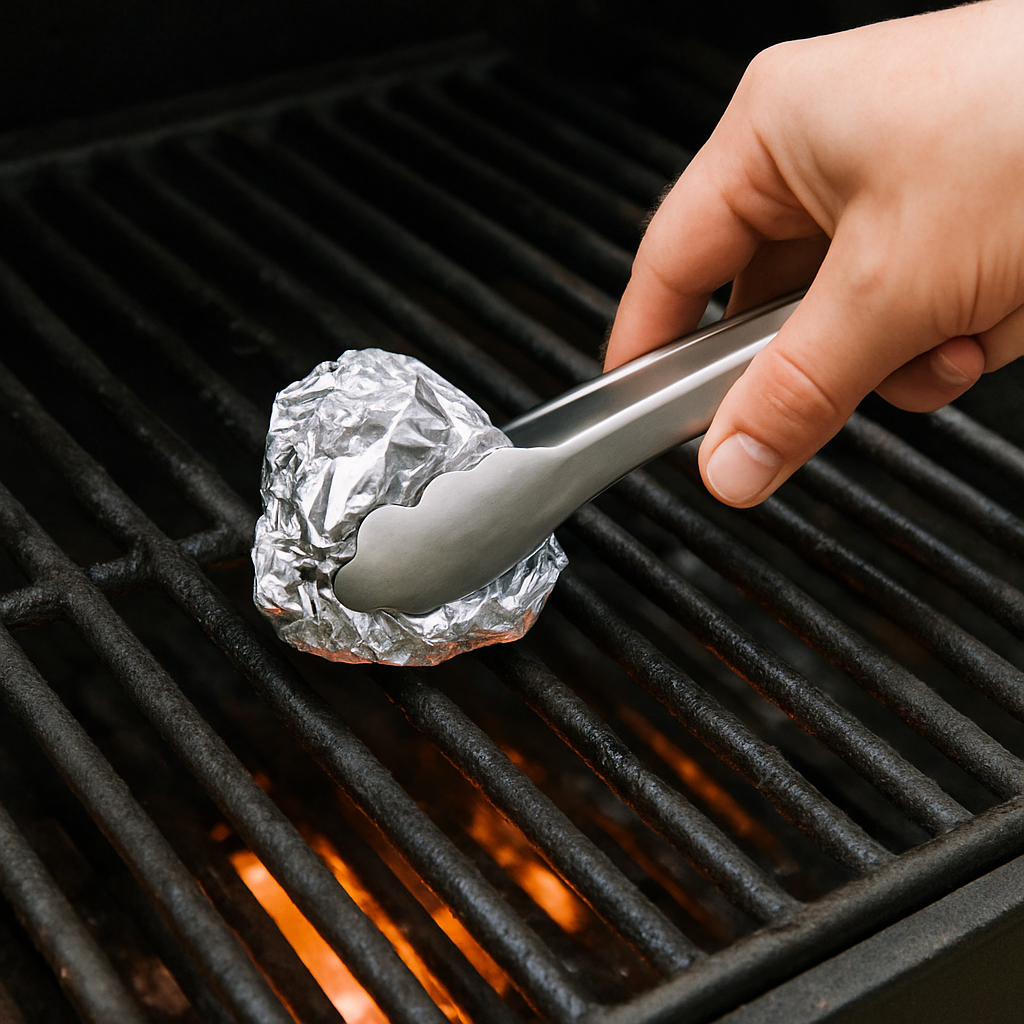
Metal bristles shedding into food is a nightmare scenario nobody wants to risk. Instead of worrying about loose wires or debating a wire brush vs nylon grill scraper, look in your kitchen drawer for a safer solution. A simple ball of crumpled aluminum foil, held firmly with long-handled tongs, creates a custom abrasive tool that molds itself to the unique spacing of your grates. This method mimics the friction of a wire brush but eliminates the danger; if a piece of foil tears off, it is large enough to see and remove instantly. This approach is arguably the most effective technique for how to clean a grill rack while it is still hot, stripping away carbon buildup without damaging the metal underneath.
For those seeking a chemical-free degreaser, the vegetable bin offers a surprising answer for how to clean bbq grill grates using a simple white onion. Rubbing a halved white onion face-down over heated bars utilizes the vegetable’s natural moisture to create steam, which helps loosen stuck-on grease. This natural way to clean bbq with an onion also releases mild acids that break down stubborn residue, leaving behind a cleaner surface and a pleasant aroma rather than the smell of burning chemicals. Once you have mastered how to clean barbecue grate surfaces using these pantry staples, you must protect that raw metal immediately.
The Final Step: How to Season Your Grates to Prevent Rust and Future Sticking
Treat your grill like a cast-iron skillet: the secret isn’t just scrubbing, but the finish. Seasoning cast iron grates after cleaning creates a protective barrier that cuts future work by 50%. Simply coat the metal with a high-heat oil like canola or grapeseed and heat for 15 minutes. This locks out moisture, preventing rust and stopping those “rancid” metallic flavors that can ruin food after long storage periods.
Whether you followed our step-by-step seasonal grill maintenance guide or just needed a quick fix for how do i clean stainless steel grill grates, adopt a 2-minute post-cook routine. Brush while warm and oil lightly to ensure you meet these success metrics every time:
- Smooth Finish: A paper towel glides over the surface without snagging on debris.
- Clear Sheen: The metal looks hydrated and dark, rather than dry or ashy.
- The Seal: Water beads up on the surface, proving the non-stick barrier is active.
Still Having Trouble with Your Grates?
Sometimes, a simple scrub isn’t enough to fix years of wear. If you’ve followed these repair tips and your BBQ still isn’t performing like new, it might be time for a professional touch. Check out our step-by-step guide on how to clean BBQ grill grates for deep-cleaning techniques, or explore our ultimate BBQ cleaner guide to find the best tools for the job.